This site is in the final stages of development

Please come back later or visit the Hungarian website tothkrisztina.hu

If you would like to be notified when the International site is available, please enter your name and email address here.

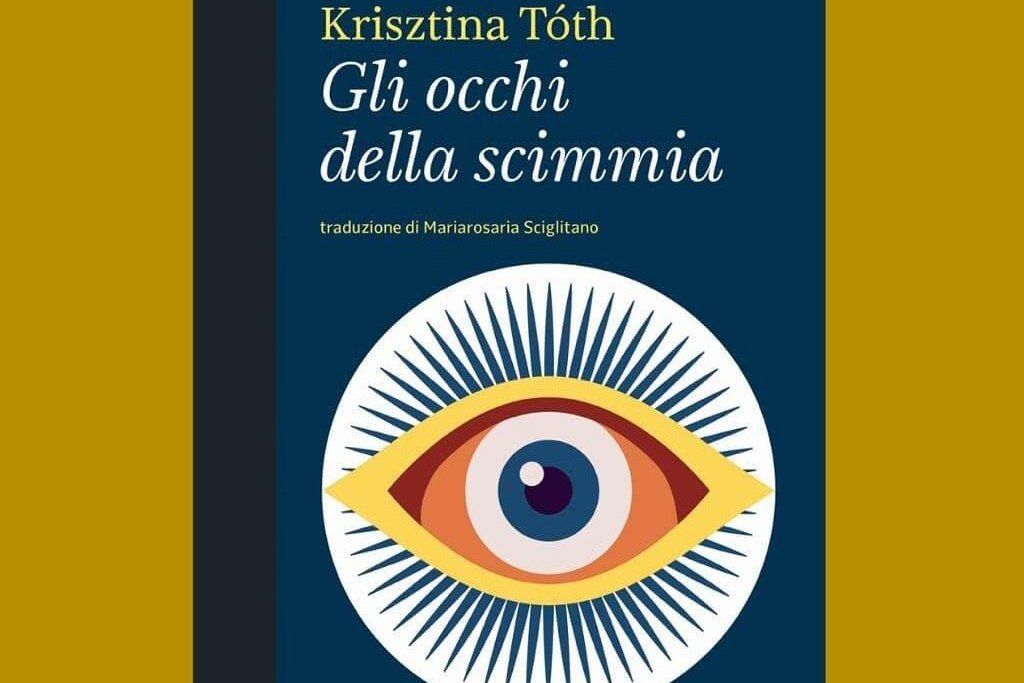
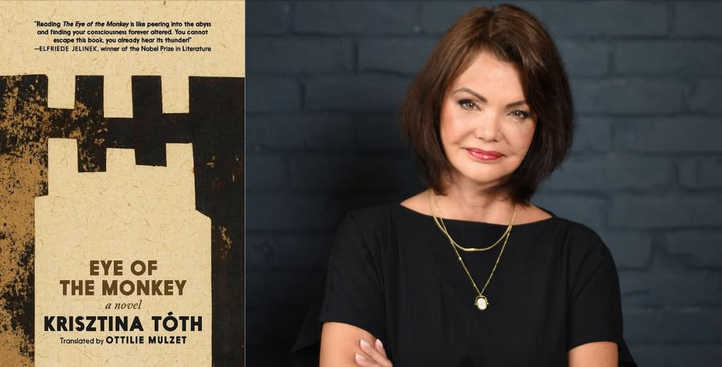
EYE OF THE MONKEY

Eye of the Monkey begins in the wake of a devastating civil war that led to the formation of the United Regency, an autocracy in an unnamed European country. The ravages of war are sweeping, and the populace has been divided into segregated zones, where the well-off are under mass surveillance and the poor are phantom presences, confined and ghettoized.

On the verge of a nervous breakdown after being followed by a young man for weeks, Giselle, a history professor at the New University, seeks the help of Dr. Mihály Kreutzer, a psychiatrist who is navigating divorce and the recent death of his mother. They soon begin a torrid love affair, but everything is not what it seems. As Giselle begins to unpack her family history and the possible root of her psychological crisis, Dr. Kreutzer, who has ties to some of the most powerful people in the country, possesses ulterior motives of his own.
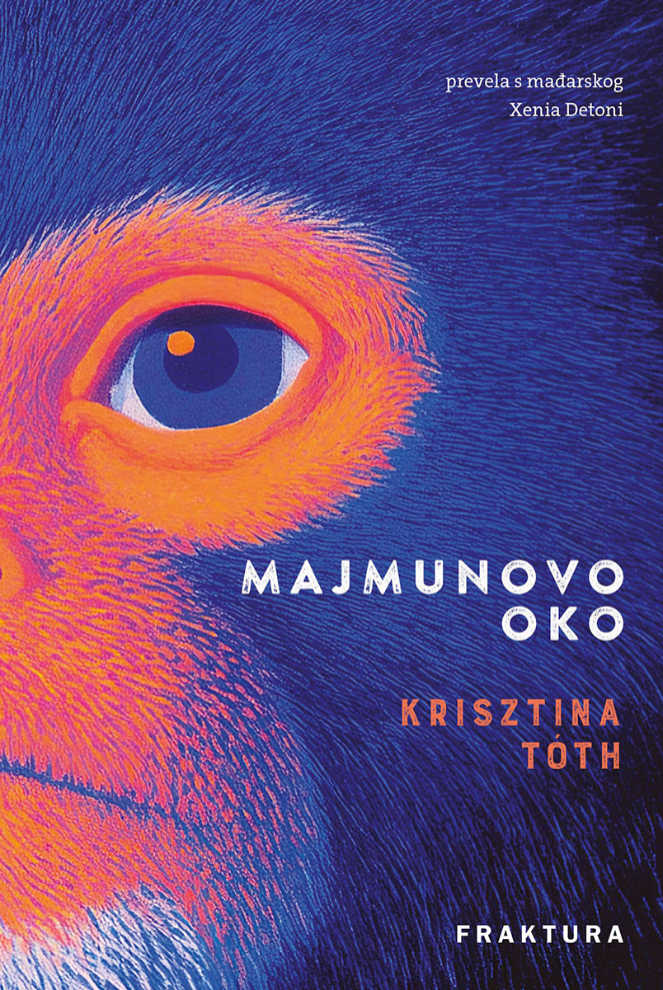
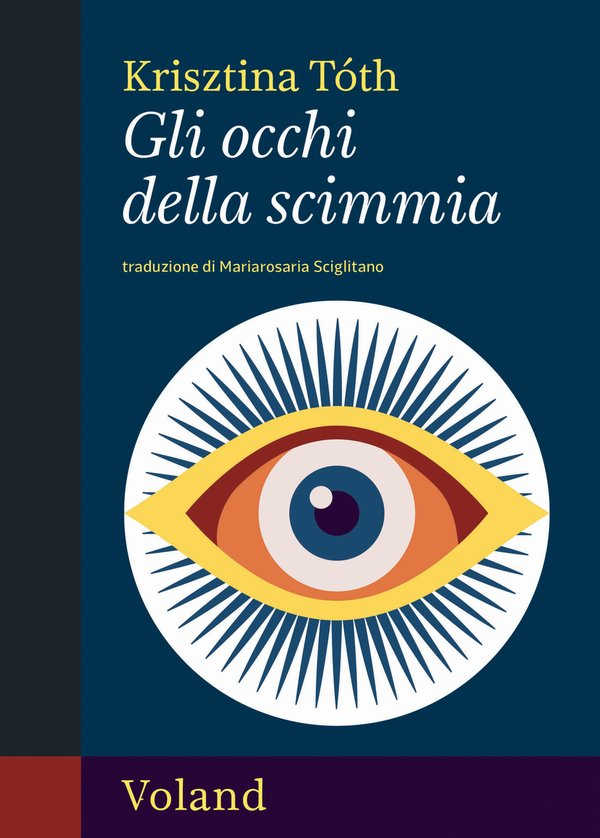
Hungarian title: A majom szeme
Hungarian publishing: Magvető Kiadó, 2022
ENHRIT

French, Spanish, Greek, Tamil

Translations

Blurb

Krisztina Tóth is irredeemably a poet. This is revealed by every element of her latest novel. It lies in the nature of her attention, …… as in Eye of the Monkey, tying together what she left behind with what she stands before. Krisztina Tóth is a magnificent artist; receive her as such.” –-László Krasznahorkai, winner of the 2025 Nobel Prize in Literature

„Reading Eye of the Monkey is like peering into the abyss and finding your consciousness forever altered. You cannot escape this book, you already hear its thunder!” –-Elfriede Jelinek, winner of the 2004 Nobel Prize in Literature

„What we are left with is not only a powerful impression of the alienating effects of authoritarianism, but a cautionary tale about self-deception.” –-Matthew Janney, Financial Times

„The reader holds in their hands a superb novel–-a subjective, even a personal account–-of our daily lives in an autocratic society; our daily tensions and despairs. At the same time, in Tóth’s novel, we encounter people who–-at times with heroic effort–-attempt to live a human life. What makes this book exciting is how we are rooting for them–-and for ourselves–-for this to work out.” –-Béla Tarr